Understanding the Name Behind the Iconic Instrument
If you’ve ever wondered why the electric guitar is called the “electric guitar,” you’re not alone. The name might sound obvious, but there’s a fascinating story behind it—one that involves innovation, music history, and a dash of science. In this blog post, you’ll discover exactly why this instrument carries the “electric” label, how it differs from its acoustic cousin, and how its electrifying name changed the course of music forever.
The Birth of a Name: From Acoustic Roots to Electric Innovation
What Makes a Guitar “Electric”?
You probably know that a regular acoustic guitar makes sound when you pluck its strings, and the hollow wooden body amplifies those vibrations. But the electric guitar is a different beast. Instead of relying on a hollow body to make itself heard, the electric guitar uses special components called “pickups.” These pickups are essentially magnets wrapped in wire that sense the vibrations of the strings and turn them into electrical signals. Those signals are then sent to an amplifier, which boosts the sound so you can really rock out.
That’s where the “electric” part comes in. The guitar itself doesn’t make much noise without an amp. Plug it in, and suddenly you’re making music that can fill a stadium. This use of electricity to create and amplify sound is what sets the electric guitar apart and gives it its name.
A Brief History: When Did the Electric Guitar Get Its Name?
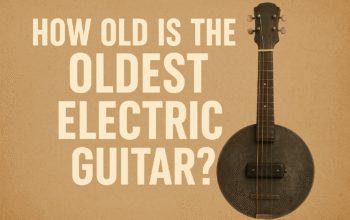
The story of the electric guitar starts in the early 1930s. Musicians wanted to be heard over big bands and noisy crowds, but acoustic guitars just weren’t loud enough. Enter inventors like George Beauchamp and Adolph Rickenbacker, who created the first electric guitars by adding pickups to steel-stringed instruments.
The earliest models even had quirky nicknames—like the “Frying Pan”—because of their unusual shapes. But as soon as these instruments hit the market, people started calling them “electric guitars” to distinguish them from the traditional, non-electric versions. The name stuck, and it’s been electrifying audiences ever since.
How Does an Electric Guitar Work?
The Science Behind the Sound
You might be curious about what actually happens inside an electric guitar. Here’s how it works in simple terms:
- When you pluck a string, it vibrates.
- The pickups underneath the strings sense these vibrations.
- The pickups convert the vibrations into tiny electrical signals.
- These signals travel through a cable to an amplifier.
- The amplifier boosts the signal and sends it to speakers, making the sound loud enough for everyone to hear.
Unlike an acoustic guitar, which uses the resonance of its wooden body to make sound, the electric guitar relies on electronic components. That’s why it’s called “electric”—its sound is born from electricity, not just wood and strings.
Why Not Just Call It a Guitar?
You might wonder: why not just call it a guitar? The answer is simple—there are lots of different types of guitars. By adding “electric,” you immediately know this is a guitar that uses electricity to make music. It’s a quick way to set it apart from acoustic guitars, classical guitars, and other stringed instruments.
Electric vs. Acoustic: What’s the Big Difference?
A Side-by-Side Look
To really appreciate why the name matters, let’s compare the electric guitar to its acoustic sibling:
| Feature | Acoustic Guitar | Electric Guitar |
|---|---|---|
| Sound Production | Hollow body amplifies string vibration | Pickups convert vibration to electric |
| Volume | Naturally limited by body size | Amplified—can be very loud |
| Portability | No need for extra equipment | Needs amp and cables |
| Sound Variety | Mostly natural, mellow tones | Wide range—clean, distorted, effects |
| Use in Music | Folk, classical, some pop and rock | Rock, blues, jazz, metal, pop, more |
The electric guitar’s ability to use electricity for sound is what makes it unique—and what inspired its name.
The Evolution of the Name and Its Impact on Music
From Novelty to Icon
When the first electric guitars appeared, they were a novelty. Musicians and audiences were fascinated by the new sounds and the sheer volume these instruments could produce. As more artists began to use them, the term “electric guitar” became a badge of innovation and coolness.
By the 1950s and 1960s, the electric guitar had become the backbone of popular music. Rock and roll, blues, jazz, and even country music were transformed by its electrifying presence. The name “electric guitar” became synonymous with modern music, rebellion, and creativity.
Why the Name Still Matters Today
Today, the name “electric guitar” is instantly recognizable around the world. It tells you not just how the instrument works, but also hints at its cultural power. When you hear “electric guitar,” you think of legendary solos, epic concerts, and the soundtracks of entire generations.
The name is also practical. As technology has evolved, there are now many hybrid instruments—like acoustic-electric guitars and semi-acoustic guitars. The term “electric guitar” helps you know exactly what you’re getting: an instrument designed to be plugged in, cranked up, and played loud.
Fun Facts About the Electric Guitar’s Name
- The first commercially successful electric guitar was called the “Frying Pan” because of its round, flat shape.
- The official patent for an “Electrical Stringed Musical Instrument” was granted in 1937, cementing the electric guitar’s place in history.
- Early electric guitars were often called “Spanish” or “Hawaiian” electric guitars, depending on how they were played.
- The word “electric” comes from the Greek word for amber, “elektron,” because rubbing amber produces static electricity. So, in a way, the name “electric guitar” connects ancient discoveries to modern music.
Why the Electric Guitar’s Name Still Resonates
When you pick up an electric guitar, you’re not just holding a musical instrument—you’re holding a piece of history. The name “electric guitar” tells the story of how musicians and inventors used electricity to revolutionize music. It’s a name that captures both the science and the spirit of innovation.
So, the next time you hear a searing guitar solo or see a musician plug in their axe before a show, you’ll know exactly why it’s called an electric guitar. It’s all about the power of electricity, the quest for louder and more expressive music, and the enduring impact of a name that changed the world.
The Name Says It All
You now know that the electric guitar gets its name from the way it uses electricity to make sound. It’s called “electric” because it relies on pickups and amplifiers to turn string vibrations into music that can fill a room—or a stadium. The name sets it apart from acoustic guitars and celebrates its role as a symbol of modern music.
Whether you’re a musician, a music lover, or just curious, the story behind the electric guitar’s name is a reminder of how creativity and technology can come together to make something truly unforgettable. So go ahead—plug in, turn up the volume, and let the electric guitar do what it does best: electrify your world.