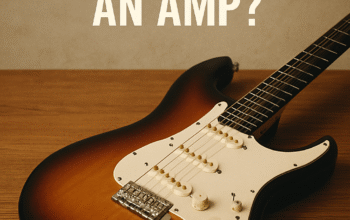
If you’re thinking about picking up an electric guitar or just want to know its downsides, you’re in the right place. While electric guitars are super popular and offer tons of cool features, they also have some drawbacks you should think about before diving in. This blog post will clearly break down the main cons of electric guitars so you can decide if it’s the right fit for you.
1. Cost and Maintenance Can Add Up
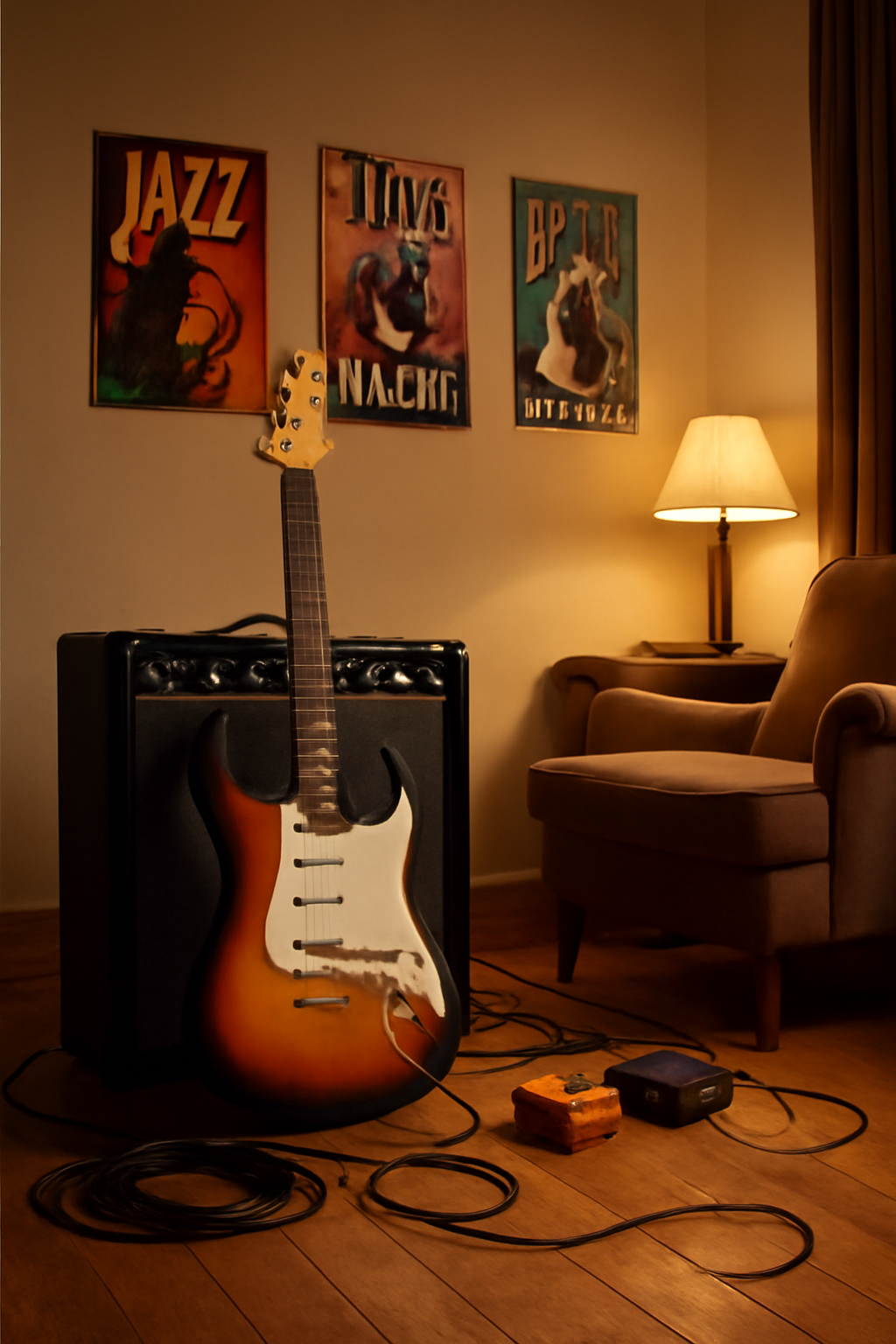
One of the biggest downsides of owning an electric guitar is the cost—not just for the guitar itself but for everything that comes with it. Unlike an acoustic guitar, which you can play as soon as you buy it, electric guitars need extra gear, such as an amplifier, cables, and effects pedals if you want different sounds.
You’ll also need to budget for maintenance, like changing strings regularly and tweaking amps or pedals when something goes wrong. Repairs can get pricey too because electric guitars have more electronic parts that might fail or need upgrading.
If you don’t keep your gear in good shape, your guitar’s sound and playability could suffer, which might frustrate you as a beginner or advanced player.
2. Electric Guitars Require Power and Accessories to Play Loudly
You can’t just pick up an electric guitar and play it loudly anywhere like an acoustic guitar. It depends on power sources and accessories. If you want to hear it at a reasonable volume, you need an amplifier, which needs electricity.
This makes playing outside, in spontaneous jam sessions, or in places without outlets a bit tricky. You’ll sometimes be limited by cords, batteries, or the size of your amplifier.
If you want to move around freely like a rock star on stage, you will likely need wireless systems or smaller amps that still cost extra money.
3. Lack of Portability and Convenience
Electric guitars, combined with their amps and cables, aren’t exactly the easiest things to carry around. If you’re used to acoustic guitars that you can quickly throw over your shoulder and hit the road, electric guitars require more planning and effort.
Unless you have a compact practice amp or a lightweight setup, lugging your gear to practice sessions, gigs, or lessons can be a hassle. On top of that, setting everything up takes time.
This lack of portability might discourage you from practicing or playing in spontaneous settings, which can slow down your growth as a player.
4. Complex Learning Curve for Beginners
If you are starting from zero, electric guitars can seem more complicated than acoustics. Besides just learning chords and techniques, you also have to learn how to use equipment to get the sound you want—like how to adjust tone, volume, and different effects.
This extra layer of complexity can overwhelm new players. You might feel confused about what settings to use or which gear fits your style.
Without guidance, it’s easy to get frustrated when your guitar doesn’t sound like the professionals you’re trying to emulate. This complexity sometimes leads people to give up early.
5. Susceptibility to Damage and Wear
Electric guitars are generally more delicate compared to other types of guitars. Their thin bodies and electronic components can be damaged through drops or rough handling.
The strings, pickups, and other small parts can wear down quickly if not maintained. Exposure to moisture or heat can also ruin the electronics inside your guitar.
If you’re not careful, repairing these issues can become costly and time-consuming, forcing you out of playing for days or weeks.
6. Noise Issues and Restrictions
Because electric guitars rely on amps, they can get quite loud and might bother neighbors or family members if you live in close quarters like apartments.
Using an amp brings the risk of noise complaints or restrictions on practice times. You’ll often need headphones or practice amps designed for quiet playing to avoid problems.
If your living space has strict sound rules, electric guitars might not be the most practical choice unless you have a dedicated soundproof area.
7. Dependence on Technology and Equipment Failures
Playing electric guitar means relying on technology, which can sometimes fail you at the worst moments. Cables can fray, pedals might stop working, amplifiers can blow fuses, and batteries die unexpectedly.
If you’re performing live or in a band, any equipment malfunction could ruin your set or practice session.
This dependence means you need to be prepared with backups or know how to troubleshoot quickly, adding to the stress of playing.
While electric guitars offer amazing creative possibilities and awesome sounds, they also come with some clear disadvantages that might affect your playing experience. You have to consider costs, portability, gear dependency, and the challenges of learning and maintaining your instruments.
If you keep these cons in mind, you’ll be better prepared to decide if the electric guitar suits your lifestyle and goals. Happy playing!