When you think about the electric guitar, you probably picture blazing solos and rock ’n’ roll legends. But have you ever wondered who recorded the very first electric guitar sound? This blog will answer that question clearly and directly for you. Let’s dive in!
What Is the First Electric Guitar?
Before we talk about the first recording, it’s helpful to know what the first electric guitar was. The electric guitar started as an idea to make guitars louder. In the early 1930s, musicians wanted their guitars to be heard over other instruments in big bands.
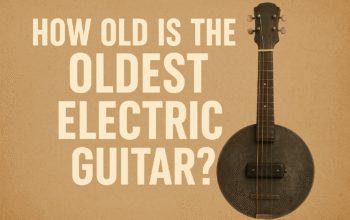
The first real electric guitar is often credited to George Beauchamp. He helped invent the “frying pan” guitar around 1931. It was called the frying pan because of its round shape. This guitar had a pickup that turned string vibrations into electric signals.
You won’t hear this guitar on the earliest recordings, though. It took a little time before players began recording with electric guitars.
Who Was the First to Record with an Electric Guitar?
Now, the big question: Who recorded the first electric guitar?
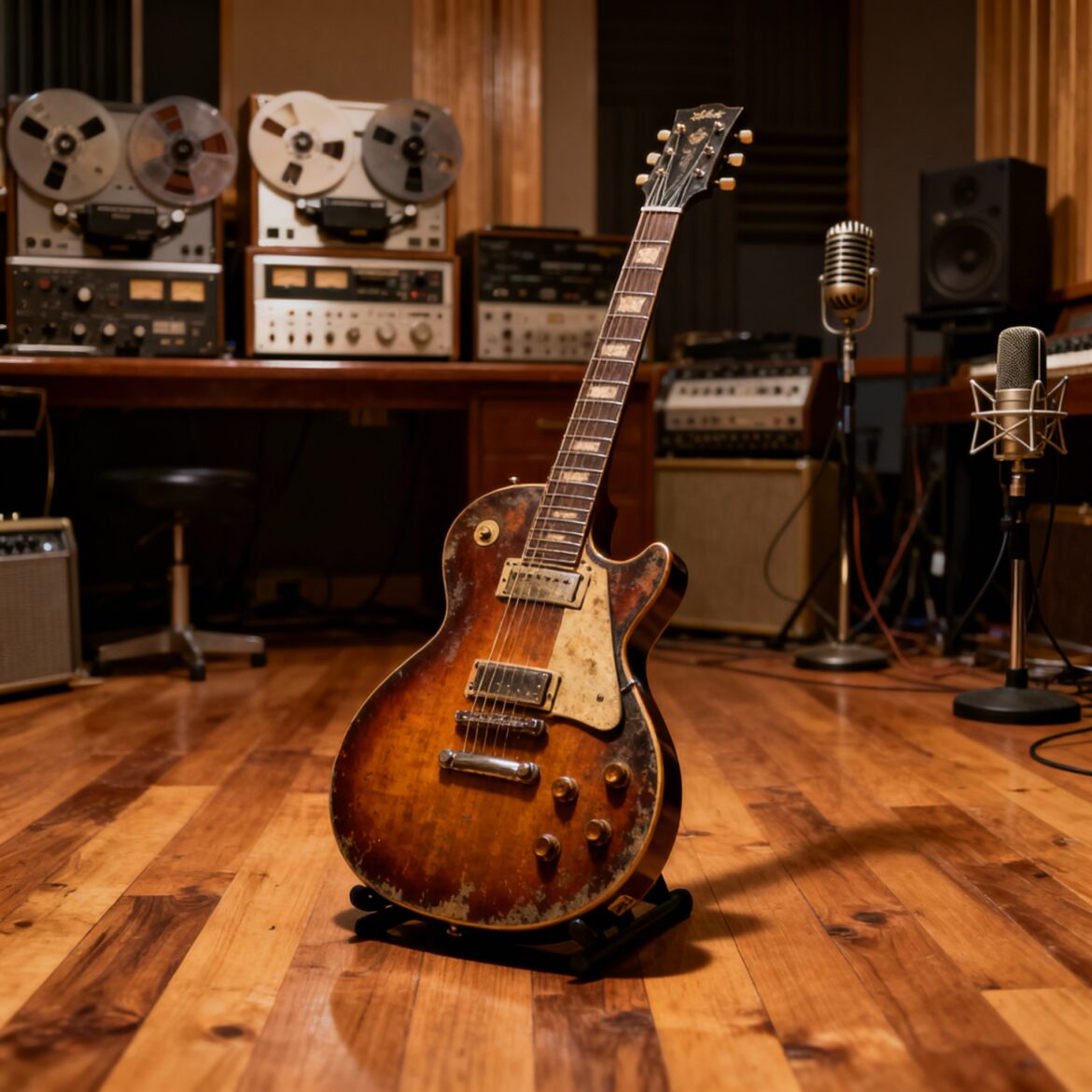
The answer most experts agree on is Les Paul. Les Paul was a guitar player and inventor who was passionate about music and technology. In the early 1940s, he started recording with electric guitars, using innovative recording techniques.
However, before Les Paul, some other early electric guitar recordings existed. But most of those were done with the “Rickenbacker” electric guitars, the kind that evolved from the frying pan design.
Still, Les Paul is best known as the first to truly popularize the electric guitar in recordings. In 1941, he recorded “Lover” using an electric guitar and overdubbing techniques. This was one of the first times an electric guitar was used in a commercial recording.
Why Did Electric Guitar Recording Matter?
Recording with electric guitars changed music forever. You see, electric guitars allowed for louder, clearer sound in recordings. This helped guitarists stand out and led to new styles of music.
Before electric guitars, guitar parts were often soft and hard to hear. With electric guitars, your favorite guitar solo or riff could come through loud and clear.
So when you listen to early recordings from the 1940s and 1950s, you’re hearing a big shift in music history. The electric guitar became a star, and players like Les Paul helped make it happen.
Other Early Electric Guitar Recordings You Should Know
While Les Paul was a pioneer, other musicians also made some of the first electric guitar recordings.
- Charlie Christian: A jazz guitarist in the late 1930s and early 1940s, Christian recorded with an electric guitar. His recordings with the Benny Goodman Orchestra helped bring electric guitar to the jazz world.
- T-Bone Walker: A blues musician, T-Bone Walker was one of the first blues artists to record electric guitar, starting around 1940. His style was smooth and influential for later rock guitarists.
- Sister Rosetta Tharpe: Often called the “Godmother of Rock and Roll,” she recorded electric guitar in the late 1930s and 1940s. Her recordings mixed gospel, blues, and early rock and roll sounds.
All these artists helped shape the sound and popularity of the electric guitar on records.
How Did the Electric Guitar Recording Technology Develop Over Time?
It wasn’t just the guitar itself that made electric guitar recording possible. Recording technology also improved a lot.
In the 1930s and 1940s, microphones and amps became better. This allowed for clearer capture of the electric guitar’s sound. Tape recording and overdubbing helped too, letting musicians layer sounds and make richer tracks.
Les Paul was a big inventor in this space. He created multitrack recording, which let him build songs by recording one guitar line at a time. This changed how electric guitar was used in recordings worldwide.
What’s the Importance of Knowing Who Recorded the First Electric Guitar?
You might wonder why knowing the first electric guitar recording matters. It helps you appreciate the musical leaps that shaped the guitar sounds you love today.
Electric guitar’s rise changed music genres from jazz and blues to rock and pop. Knowing players like Les Paul, Charlie Christian, and T-Bone Walker lets you see how innovation and talent combined to make something new.
If you play guitar or enjoy music history, this story lets you connect with your favorite songs on another level.
So Who Recorded The First Electric Guitar?
While many contributed early on, Les Paul is often credited for the first true commercial recordings with an electric guitar in the early 1940s. Others like Charlie Christian and T-Bone Walker helped bring the electric guitar into jazz and blues recordings even earlier.
Electric guitar recording changed music forever, letting your favorite riffs and solos shine. Thanks to early innovators and musicians, electric guitars became a key part of modern music.
Next time you hear an electric guitar solo, you’ll know some of the history behind how this powerful sound first made it to recording studios.