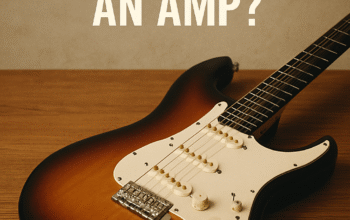
If you’ve ever wondered whether the electric guitar is fading into obscurity, you’re not alone. Maybe you’ve heard people say rock is dead, or seen fewer guitar solos in the charts. But is the electric guitar actually losing popularity? Let’s dive into the facts, trends, and what’s really happening in the world of electric guitars.
Electric Guitars: More Popular Than Ever
First, let’s look at the numbers. The global electric guitar market is not shrinking—it’s booming. In 2024, the market reached approximately $4.72 billion and is projected to hit $5.04 billion in 2025. By 2033, experts expect it to soar to $8.40 billion, growing at a healthy 6.6% compound annual growth rate. Another major industry report projects the market to reach $7.62 billion by 2030, with a similar annual growth rate. These aren’t signs of a dying instrument—they’re the numbers of a thriving, expanding market.
What’s even more impressive is that electric guitars now command about 60% of the overall guitar market, with acoustics making up the remaining 40%. This is a significant shift from previous decades, where acoustic guitars often outsold electrics. So, if you’re worried about electric guitars disappearing, the data says otherwise.
Why Are Electric Guitars So Popular Right Now?
Several factors are fueling the electric guitar’s surge in popularity:
- Changing Consumer Preferences: Both beginners and experienced musicians are gravitating toward electric guitars for their versatility and modern sound.
- Affordability and Quality: Advances in manufacturing have made high-quality electric guitars more affordable than ever. Even entry-level models under $300 now offer features that used to be reserved for much pricier instruments, like quality tuners, decent pickups, and comfortable necks.
- Music Trends: While rock and metal remain strongholds for electric guitar, the instrument is finding its way into pop, indie, jazz, and even electronic music. The rise of genres like dream-pop, chill-hop, and indie rock keeps the electric guitar relevant and fresh.
- Increased Access: With online tutorials, digital communities, and easy global shipping, more people can learn and buy electric guitars than ever before.
The Impact of Modern Technology
You live in a time where technology is changing how people play, learn, and share music. The internet allows anyone to record, produce, and share music from their bedroom. This democratization means you don’t need to be a rock star to play electric guitar or find an audience. Niche genres and DIY music scenes are thriving, and the electric guitar is at the heart of many of them.
Manufacturers are also innovating. Guitars are getting smarter, with features like built-in effects, wireless connectivity, and even onboard recording options. The future might see guitars that connect directly to your computer or sound system with no cables at all. This makes the instrument more appealing to younger, tech-savvy musicians.
Who’s Buying Electric Guitars?
- Millennials and Gen Z: Younger generations are driving much of the growth. Increased disposable income and a desire for creative hobbies mean more young people are picking up the electric guitar.
- Asia Pacific Leads the Way: The Asia Pacific region holds the largest share of the electric guitar market. Rising incomes and a growing interest in music and entertainment are fueling sales there.
- North America and Europe: These regions remain strongholds, with a steady rise in live concerts, music festivals, and innovative guitar models from major brands like Fender, Gibson, Yamaha, and Ibanez.
The Role of Iconic Guitars and Brands
You can’t talk about electric guitars without mentioning the classics. The Fender Stratocaster, Gibson Les Paul, and PRS SE Standard 24 are just a few models that continue to drive sales and inspire new players. Affordable versions like the Squier Classic Vibe ‘50s Stratocaster and Yamaha Pacifica 112V make it easy for beginners to start their journey without breaking the bank.
Even as music tastes evolve, the allure of these legendary guitars remains strong. They’re not just instruments—they’re symbols of creativity, rebellion, and self-expression.
Is Rock Really Dead?
You might hear people say that rock music is dying, and with it, the electric guitar. But this simply isn’t true. While rock may not dominate the Top 40 charts like it once did, millions of guitarists are playing music of all genres, from jazz to indie to metal. The music scene is more diverse than ever, with countless bands and solo artists using electric guitars in new and exciting ways.
In fact, the idea that rock is dying has been around for decades. Back in the 1960s, some record labels thought “groups with guitars were on their way out.” History proved them wrong, and the electric guitar continues to adapt and thrive.
What About Virtual Instruments and Apps?
It’s true that mobile apps and virtual instruments are more popular than ever. Some people might choose to make music digitally instead of learning a physical instrument. However, this hasn’t stopped the growth of electric guitar sales. If anything, technology is making it easier for you to learn guitar, connect with other musicians, and experiment with new sounds.
Challenges Facing the Electric Guitar Market
While the outlook is overwhelmingly positive, there are a few challenges:
- Cost: Electric guitars can be more expensive for beginners because you also need an amplifier and accessories.
- Competition from Digital Music: Apps and software instruments offer easy entry points for making music, but they don’t replace the feel and experience of playing a real guitar.
- Skilled Labor Shortage: As demand grows, manufacturers sometimes struggle to find enough skilled workers to build high-quality guitars.
Despite these hurdles, the market continues to grow, and manufacturers are finding ways to keep up with demand.
The Future of Electric Guitars
The electric guitar isn’t just surviving—it’s evolving. You can expect to see:
- Smarter Guitars: Built-in effects, wireless connectivity, and integration with digital devices will become standard.
- Sustainable Materials: As the industry grows, expect more eco-friendly materials and manufacturing processes.
- Personalization: More options for customizing your guitar’s look, feel, and sound will let you express yourself even more.
So, Is the Electric Guitar Losing Popularity?
All the evidence points to a clear answer: No, the electric guitar is not losing popularity. In fact, it’s more popular than ever, with strong sales, innovative new models, and a growing global community of players. Whether you’re a beginner or a seasoned pro, there’s never been a better time to pick up an electric guitar.
If you’ve been thinking about learning, upgrading, or just jamming for fun, you’re joining a movement that’s alive, well, and rocking into the future. The electric guitar’s story is far from over—and you can be part of the next chapter.