If you’re curious about the oldest electric guitar, you’ve come to the right place. Electric guitars are essential to modern music, but many wonder when the very first one came into existence. This blog post dives into the history and facts behind the oldest electric guitar, so you get a clear and simple answer without any extra fluff.
The First Concepts of an Electric Guitar
You might think the electric guitar popped up suddenly, but its history goes way back. The oldest electric guitar’s roots trace to the early 1930s. Back then, guitar players wanted louder sounds to stand out in big bands. Acoustic guitars just weren’t cutting it.
Several inventors across the U.S. experimented with amplifying the guitar’s sound. However, the breakthrough came with adding pickups—devices that turn string vibrations into electric signals. This idea turned a regular guitar into an electric one.
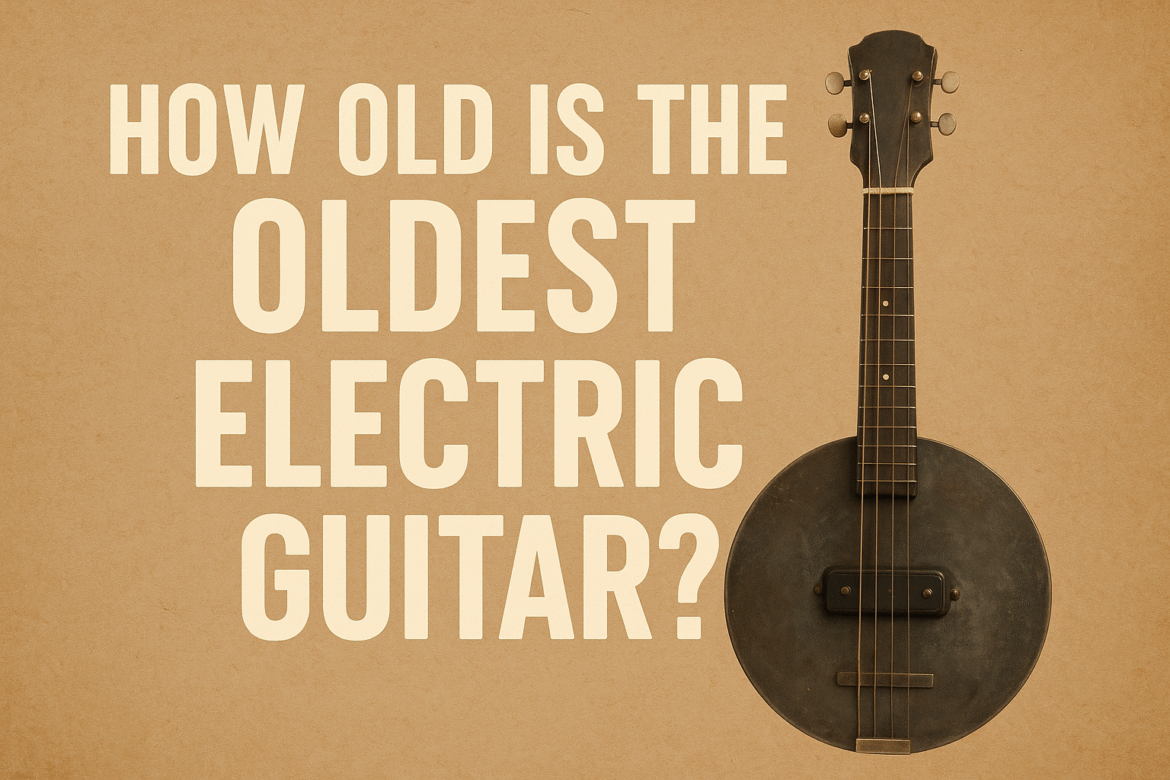
One of the very first electric guitars built was the “Frying Pan,” made by George Beauchamp and Adolph Rickenbacker around 1931. It’s often called the oldest electric guitar still existing today. You can even find this unique guitar on display in museums.
Why is the “Frying Pan” Called the Oldest Electric Guitar?
The “Frying Pan” earned its name because of its unusual shape: a round metal body attached to a long neck, resembling a frying pan. This design wasn’t about looks but about increasing the guitar’s volume with electric amplification.
Before the “Frying Pan,” there were attempts at electrically amplifying guitars, but none worked so well. Beauchamp and Rickenbacker used a pickup that could sense string vibrations clearly. This made the “Frying Pan” truly playable as an electric instrument.
The first models were built in 1931 and produced commercially in 1932. This means the oldest known electric guitar you can see today is over 90 years old. Imagine that—a guitar created almost a century ago still preserved for history lovers.
How Did Electric Guitars Evolve After the Oldest One?
After the “Frying Pan,” electric guitars evolved quickly. You might wonder how we went from a metal frying pan shape to the cool Fender Stratocaster and Gibson Les Paul designs you see today.
In the 1940s and 1950s, guitar makers started shaping electric guitars with wooden bodies, adding different types of pickups, and improving electronics to get richer sounds. Famous models like the Fender Telecaster and Gibson Les Paul came into existence during this time.
Even though the “Frying Pan” is the oldest electric guitar, today’s electric guitars are quite different. They take inspiration from early designs but focus more on style, playability, and tone.
What Makes the Oldest Electric Guitar So Special?
You might ask what makes the “Frying Pan” stand out besides age. This guitar is special because it marked the birth of a whole new instrument category. It helped guitarists go electric and shaped modern music genres like rock, blues, and jazz.
Its design was also ingenious. It broke the boundaries of traditional guitar making by using metal for better amplification. This was important because without loud, clear sound, electric guitars wouldn’t have become popular.
You could say the “Frying Pan” changed music forever. Guitarists now had a tool to express themselves with electricity, which led to many iconic songs and performances.
Where Can You See the Oldest Electric Guitar Today?
If you want to see this historic guitar, you don’t have to travel too far. The original “Frying Pan” is kept safely in museums. The Musical Instrument Museum in Phoenix and the Smithsonian Institution hold versions or replicas.
Knowing where this guitar lives helps you appreciate how far music technology has come. It’s not just a piece of wood and metal; it’s a symbol of innovation and creativity.
The Oldest Electric Guitar Brings History Alive
So, how old is the oldest electric guitar? It’s about 90 years old, created in 1931 by George Beauchamp and Adolph Rickenbacker. This “Frying Pan” guitar marked the beginning of electric guitars as we know them.
If you love guitars or music history, learning about the oldest electric guitar gives you a special connection to the past. It’s amazing how one invention can shape so much of what you hear today.
If you ever get the chance to see the “Frying Pan,” take it. You’ll be looking at a true pioneer of electric sound.
If you want to explore more about electric guitars or look into vintage guitars, don’t hesitate to dive into this exciting world. History is filled with stories that can inspire your own musical journey!