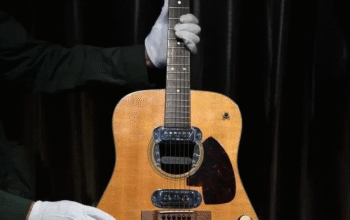
If you’ve ever wandered into a music store, gazed at a wall of acoustic guitars, and noticed the Martin models sitting at the top of the price range, you’re not alone. You might have wondered, “Why are Martin guitars so expensive?” Let’s take a friendly deep dive into what makes these instruments command such a premium—and why so many musicians consider them worth every penny.
The Martin Legacy: Nearly Two Centuries of Innovation
When you pick up a Martin guitar, you’re holding a piece of music history. Founded in 1833, Martin is one of the oldest guitar manufacturers in the world. This isn’t just a marketing line—the company has genuinely shaped the modern acoustic guitar as we know it. They pioneered the dreadnought body shape and X-bracing, both of which revolutionized acoustic guitar design and are now industry standards.
Owning a Martin isn’t just about having a guitar; it’s about owning a legacy. Legends like Johnny Cash, Eric Clapton, and Paul McCartney have all played Martins, and that star-studded association only adds to the brand’s mystique and value1. When you buy a Martin, you’re investing in a brand that’s been at the heart of music for generations.
Premium Materials: The Foundation of the Martin Sound
You can’t talk about Martin guitars without mentioning their materials. The company is famous for using only the highest quality tonewoods, and this is a huge part of what drives up the cost.
- Solid Spruce Tops: Most Martins feature solid Sitka or Adirondack spruce tops, known for their resonance, strength, and ability to age beautifully. Solid wood tops vibrate more freely than laminate, giving you a richer, more complex sound that improves over time.
- Exotic Tonewoods: The back and sides are often crafted from premium woods like East Indian rosewood, mahogany, or koa. These aren’t just pretty to look at—they each bring unique tonal qualities that contribute to the signature Martin sound.
- Sustainable Sourcing: Many of these woods are rare and expensive, and Martin is committed to responsible sourcing. This ethical approach can increase production costs, but it ensures the longevity of both the forests and the company’s reputation.
Materials matter, but it’s not just about what the guitar is made of—it’s how those materials are used that really counts.
Meticulous Craftsmanship: Where Art Meets Science
Walk into Martin’s Pennsylvania factory and you’ll see a blend of old-world craftsmanship and modern precision. Each guitar is assembled by skilled luthiers who pay attention to every detail, from the hand-fitted bracing to the careful finishing of the neck and body.
- Hand-Built Quality: While some entry-level Martins are made in Mexico using partially automated processes, the higher-end models are built in the USA, often by hand. This means more labor hours and a higher level of expertise, both of which add to the cost.
- Attention to Detail: The fit and finish on a Martin are second to none. Whether it’s the binding, inlays, or even the way the neck joins the body, every aspect is designed for maximum playability and longevity.
- Bracing Innovations: Martin’s use of forward-shifted, scalloped bracing allows the top to resonate more freely, creating that signature “Martin sound”—full, balanced, and powerful.
You’re not just paying for a guitar; you’re paying for hundreds of hours of skilled labor and generations of accumulated knowledge.
Rarity, Age, and Vintage Appeal
Some Martin guitars, especially those made before World War II, are among the most sought-after instruments in the world. These “pre-war” Martins are considered the holy grail for collectors and musicians alike.
- Vintage Value: Pre-war Martins are rare, and their value has only increased over time. They’re known for their exceptional sound, historical significance, and the fact that so few remain in playable condition.
- Limited Editions and Special Models: Martin frequently releases limited runs and special editions, which become instant collector’s items. The rarity and unique features of these guitars make them even more desirable (and expensive).
If you’re lucky enough to own a vintage Martin, you’re holding a piece of history that’s likely to appreciate in value.
Model, Condition, and Custom Features
Not all Martin guitars are created equal. The price can vary dramatically depending on the model, its rarity, and its condition.
- Model Range: Entry-level Martins (like the LX1) start around $399, but these are often made with laminate backs and sides. All-solid, USA-made Martins start at about $1,500 and go up from there, with flagship models like the D-45 reaching nearly $10,000.
- Condition: A well-maintained Martin will always fetch a higher price than one that’s been neglected. Vintage models in excellent condition can command astronomical prices.
- Customization: Want a custom inlay or exotic wood? Those special touches add to the price, reflecting the extra time and skill required to make your guitar truly one-of-a-kind.
The Intangible Factor: The Martin Experience
There’s something magical about playing a Martin guitar. It’s not just the sound, which is rich, balanced, and powerful—it’s the way the guitar feels in your hands, the way it responds to your touch, and the sense of tradition you’re tapping into every time you strum a chord.
- Iconic Sound: Musicians and listeners alike recognize the “Martin sound.” It’s been the backbone of countless classic recordings and live performances.
- Emotional Value: For many, owning a Martin is the fulfillment of a lifelong dream. The emotional connection and pride of ownership are hard to put a price on, but they definitely factor into the perceived value.
Are Martin Guitars Worth the Price?
This is the million-dollar (or at least multi-thousand-dollar) question. For some, the answer is a resounding yes. You’re paying for unmatched craftsmanship, premium materials, and a legacy that stretches back nearly 200 years. For others, the price might be hard to justify, especially when there are plenty of good guitars at lower price points.
But here’s the thing: if you love the sound, the feel, and the story behind the instrument, a Martin guitar can be a lifelong companion and a wise investment. Many players say that once you’ve played a Martin, it’s hard to go back.
Final Thoughts
So, why are Martin guitars so expensive? It comes down to a mix of history, craftsmanship, top-tier materials, and a reputation for excellence that’s been earned over generations. Whether you’re a collector, a performer, or just someone who appreciates fine instruments, a Martin guitar offers something truly special—if you’re willing to pay for it.
If you ever get the chance, pick up a Martin and strum a chord or two. You might just find out firsthand why so many musicians consider them worth every penny