The electric guitar is one of the most iconic instruments in modern music, revolutionizing genres like rock, jazz, and blues. But who can claim the title of “father of the electric guitar”? The answer isn’t as straightforward as you might think. Let’s dive into the fascinating history of this groundbreaking invention.
The Birth of the Electric Guitar
The electric guitar was born out of necessity. During the 1920s and 1930s, jazz and big band music dominated public spaces, but acoustic guitars struggled to be heard over louder instruments like brass and percussion. This challenge sparked a wave of innovation among musicians and inventors.
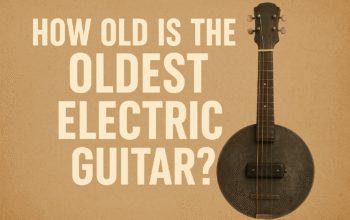
In the early 1930s, George Beauchamp, a musician, teamed up with Adolph Rickenbacker, an engineer, to create the first fully functioning electric guitar. Their invention, nicknamed the “frying pan” due to its circular shape, used electromagnetic pickups to convert string vibrations into electrical signals that could be amplified. This was a groundbreaking achievement that set the foundation for all future electric guitars.
Beauchamp and Rickenbacker patented their design in 1937 and began producing electric guitars commercially through the Electro String Instrument Corporation. Their work marked the beginning of a new era in music, allowing guitarists to take center stage in ensembles.
Other Pioneers Who Shaped the Electric Guitar
While Beauchamp and Rickenbacker are credited with inventing the first electric guitar, other innovators played crucial roles in its evolution. Here are some notable figures:
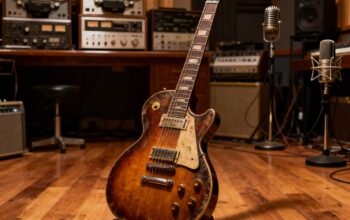
- Les Paul: Known for his virtuosity and inventive genius, Les Paul created one of the first solid-body electric guitars in 1941. His design reduced feedback issues common in hollow-body guitars and improved sustain, paving the way for iconic models like the Gibson Les Paul.
- Leo Fender: In 1949, Leo Fender introduced the Fender Esquire, considered the first commercially successful solid-body electric guitar. Fender’s designs became blueprints for modern electric guitars and remain legendary in the music world.
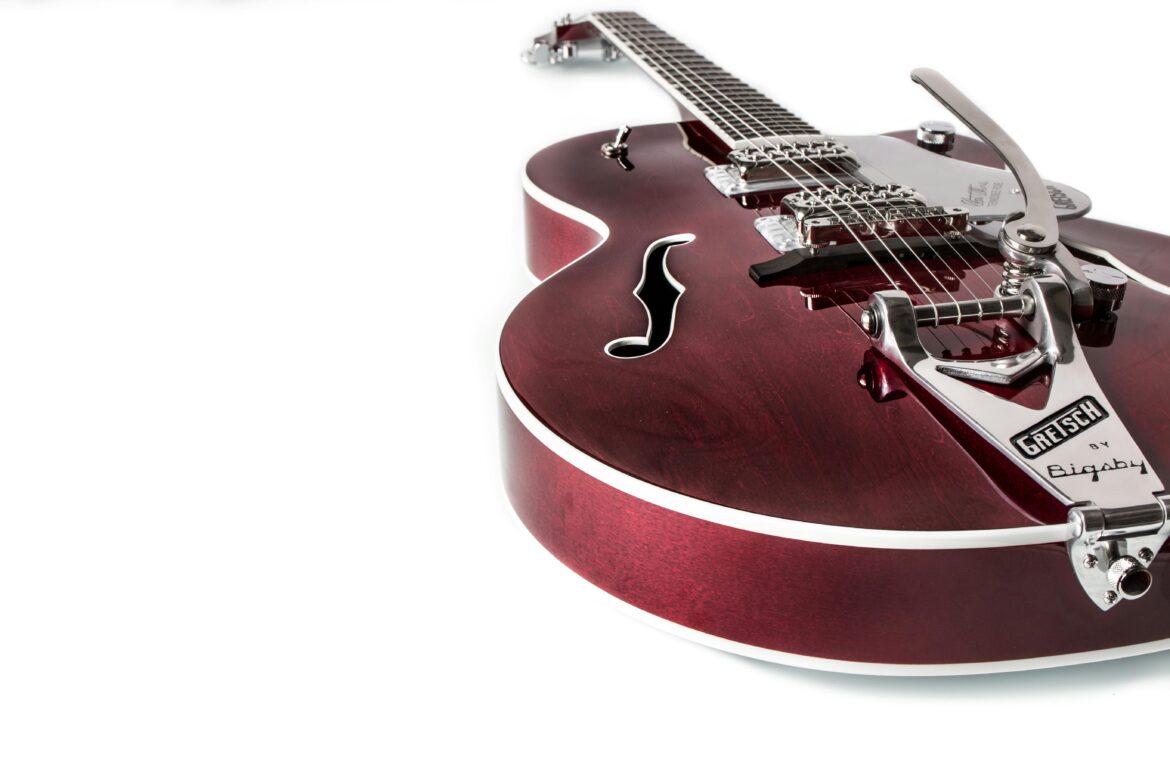
- Paul Bigsby: Often referred to as the father of solid-body electric guitars, Bigsby developed innovative designs that influenced both Fender and Les Paul. His contributions helped shape the instrument’s modern form.
Why George Beauchamp Is Considered “The Father”
Although many individuals contributed to the development of electric guitars, George Beauchamp stands out as a key figure. His invention of the “frying pan” marked a turning point in musical history. Beauchamp’s design was not just functional but also commercially viable, making it accessible to musicians worldwide.
Beauchamp’s partnership with Adolph Rickenbacker ensured that their creation reached a broader audience. Together, they laid the groundwork for future innovations by pioneers like Les Paul and Leo Fender.
A Legacy That Lives On
The electric guitar has come a long way since its humble beginnings in the 1930s. Today, it is an essential instrument across countless genres, from rock and roll to jazz and pop. While George Beauchamp is often regarded as the father of this revolutionary instrument, it’s important to recognize that its development was a collaborative effort involving multiple visionaries.
So next time you hear an electrifying guitar solo or strum your own instrument, remember George Beauchamp’s pioneering work—and all those who followed—to make it possible. The electric guitar truly embodies innovation and creativity at its finest.
Whether you’re a seasoned guitarist or just curious about musical history, understanding who invented this iconic instrument adds depth to your appreciation for its role in shaping modern music.