If you’ve ever wondered why the electric guitar is called “electric,” you’re not alone. The name itself hints at something extraordinary—an instrument that revolutionized music and sound. Let’s dive into the story behind this iconic name and explore how the electric guitar earned its title.
The Birth of the Electric Guitar
The electric guitar was born out of necessity. Acoustic guitars, while beautiful in tone, struggled to compete with louder instruments like drums and brass in live performances. Musicians needed a way to amplify their sound without losing the guitar’s unique voice. Enter the electric guitar—a groundbreaking invention that transformed music forever.
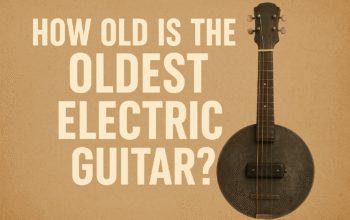
In 1931, the first electric guitars were introduced by Rickenbacker, featuring tungsten steel pickups to convert string vibrations into electrical signals. These early models were hollow-bodied acoustic guitars adapted for Hawaiian-style and jazz music. By 1936, jazz guitarist Charlie Christian popularized this innovation by attaching a pickup to his acoustic guitar, enabling louder solos in big band settings.
Why “Electric”? The Science Behind the Name
The term “electric” comes from how the guitar produces sound. Unlike acoustic guitars that rely solely on their hollow body for amplification, electric guitars use pickups and electronics to convert string vibrations into electrical signals. Here’s how it works:
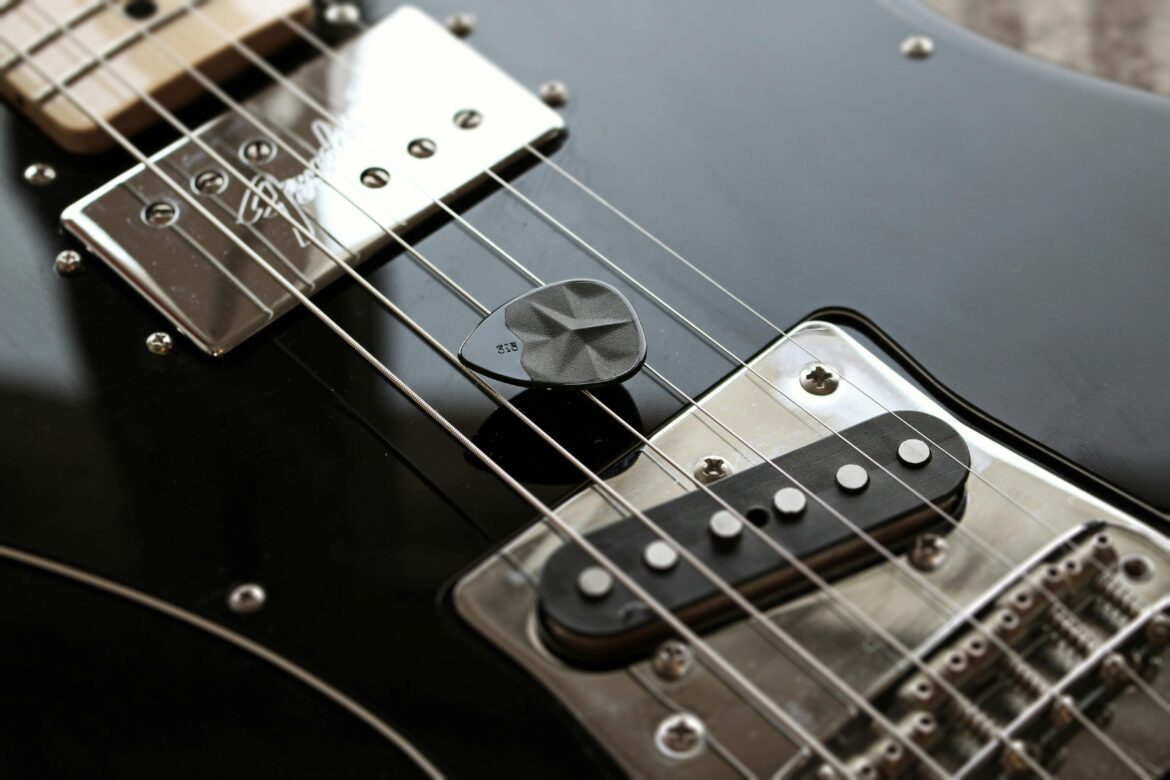
- Pickups: These small devices under the strings are transducers that capture vibrations and convert them into electrical signals.
- Electromagnetic Induction: When metal strings vibrate within the magnetic field of the pickups, they disturb the field, creating an alternating current (AC).
- Amplification: The electrical signal is sent through an output jack to an amplifier, which boosts it into audible sound.
This process is what makes an electric guitar “electric.” It relies on electricity to produce sound rather than purely mechanical vibrations.
Solid-Body Innovation: A Game-Changer
Early electric guitars faced challenges like feedback—a noisy resonance caused by amplifying hollow-bodied instruments. To solve this, innovators like Les Paul and Leo Fender developed solid-body electric guitars in the 1940s and 1950s. These guitars eliminated feedback by removing the hollow cavity, making them ideal for amplified performances.
Leo Fender’s Fender Esquire, released in 1949, became one of the first commercially successful solid-body electric guitars. Its design laid the foundation for modern electric guitars and their unmistakable sound.
How Does an Electric Guitar Work?
Understanding why it’s called “electric” also means understanding how it works. Here’s a simplified breakdown:
- String Vibration: When you strum or pluck a string, it vibrates at specific frequencies.
- Pickups: Magnetic pickups detect these vibrations and convert them into electrical signals using electromagnetic induction.
- Internal Circuitry: The signal passes through controls for volume and tone adjustments.
- Output Jack & Amplifier: The signal travels through a cable to an amplifier, which boosts it into audible sound.
- Effects: Optional pedals can modify the sound further with distortion, reverb, or other effects.
This process turns your playing into electrified music that can fill stadiums or create intimate melodies.
Why Not Just Call It a Guitar?
The term “electric” distinguishes this instrument from its acoustic counterpart. While both share similar structures—strings, frets, and a body—their methods of producing sound are vastly different:
| Feature | Acoustic Guitar | Electric Guitar |
|---|---|---|
| Sound Production | Relies on hollow body resonance | Converts vibrations into electrical signals via pickups |
| Amplification | Natural (no electronics) | Requires external amplifier |
| Feedback Issues | None | Solved with solid-body designs |
Calling it “electric” highlights its reliance on technology for sound production—a defining feature that sets it apart.
Impact on Music and Culture
The electric guitar didn’t just change how music was played; it changed what music could be. From jazz solos to rock ‘n’ roll riffs and heavy metal shredding, this instrument opened doors to new genres and creative possibilities.
Iconic models like Gibson Les Pauls and Fender Stratocasters became symbols of innovation. Effects like distortion and feedback added depth to performances, giving musicians tools to express themselves in ways never before possible.
So why is an electric guitar called “electric”? Because it harnesses electricity to amplify sound—a revolutionary leap from traditional acoustic designs. This innovation not only solved practical problems but also unlocked new creative horizons for musicians worldwide.
Whether you’re strumming your first chord or shredding a solo on stage, every note played on an electric guitar carries a legacy of ingenuity and evolution. It’s more than just a name; it’s a testament to how technology can transform art—and why this electrifying instrument continues to inspire generations.