When you think about electric guitars, you’re diving into a world of musical innovation that stretches back nearly a century. Let’s uncover the fascinating story of the oldest electric guitar brand that revolutionized music forever.
The Pioneer: Rickenbacker’s Groundbreaking Invention
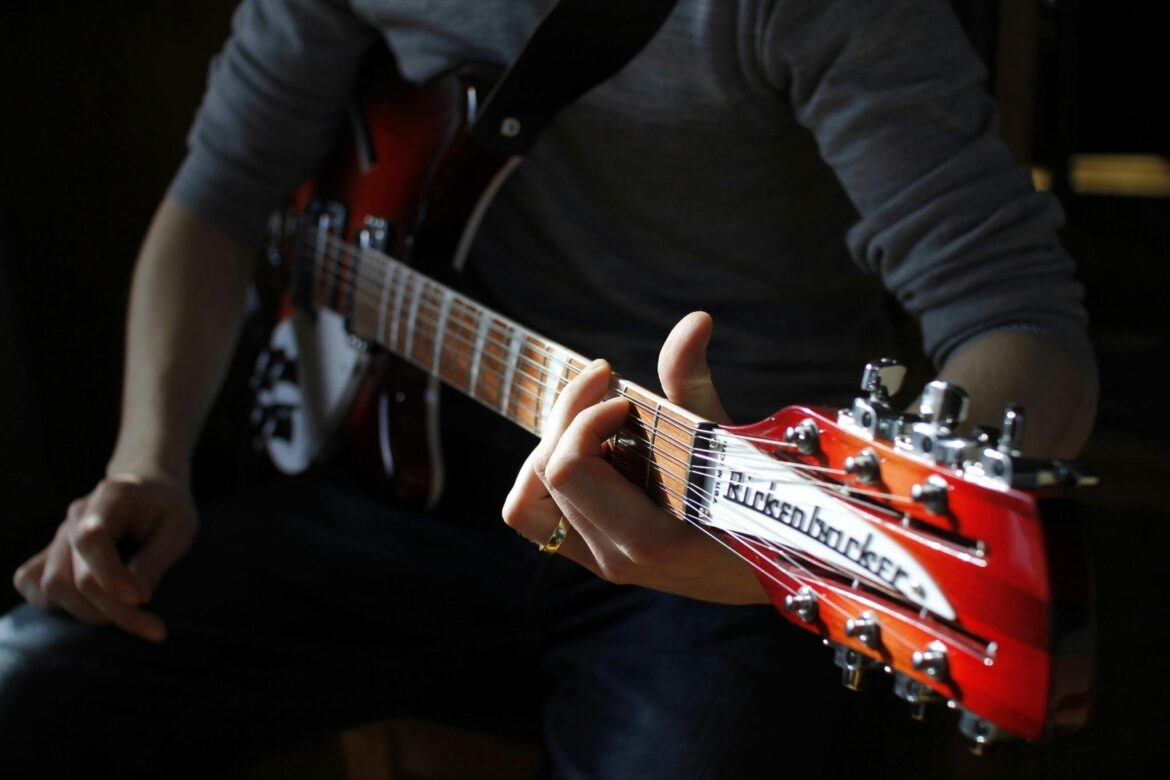
The first electric guitar brand that truly made waves was Rickenbacker. In 1931, they created the legendary “Frying Pan” – an instrument that earned its quirky name from its distinctive shape. This lap steel guitar wasn’t just a musical instrument; it was a technological marvel that would change music forever.
Key Highlights of the First Electric Guitar:
- Created in 1931 by George Beauchamp
- Manufactured by Rickenbacker Electro
- Designed to capitalize on the popularity of Hawaiian music
- Shaped like an actual frying pan with a flat, circular body
Interestingly, Beauchamp wasn’t awarded a patent for his groundbreaking design until 1937, which allowed other guitar companies to explore electric guitar technology during that period.
The Evolution of Electric Guitar Brands
While Rickenbacker pioneered the electric guitar, several other brands quickly followed, each contributing to the instrument’s rich history. Let’s explore some of the most significant milestones:
Early Innovations
- 1932: Ro-Pat-In Electro A-25 “Frying Pan” – considered the first fully functioning solid-body electric guitar.
- 1936: Gibson ES-150 – the first widespread commercial success in electric guitars.
- 1949: Leo Fender releases the Esquire, regarded as the first solid-body guitar.
Why Solid-Body Guitars Changed Everything
The transition to solid-body guitars wasn’t just a design choice – it was a solution to a critical problem. Early electric guitars suffered from feedback, where amplified sound would cause the hollow body to resonate uncontrollably. By removing the hollow cavity and creating a solid-body design, manufacturers like Leo Fender solved this acoustic challenge.
The Cultural Impact
Electric guitar designs became more than just instruments – they became cultural icons. Some models became so legendary that companies now sell miniature versions of famous guitars, like the Gibson SG used by Angus Young of AC/DC.
The Modern Electric Guitar Landscape
By the 1960s, what we now recognize as the modern electric guitar was mostly complete. Brands like Fender, Gibson, and Rickenbacker had established themselves as industry leaders. Each subsequent decade brought minor improvements in noise reduction, tuning, and aesthetic design.
Fun Fact: The future of electric guitars might include innovative technologies like touch sensors for timbre control, though acceptance depends entirely on musicians’ preferences.
Notable Milestones in Electric Guitar History
- 1932: First public electric guitar performance
- 1936: Charlie Christian begins using electric guitar in jazz bands
- 1950s: Modern electric guitar design solidifies
- 1960: Considered the completion of the modern electric guitar concept
While many brands have contributed to electric guitar history, Rickenbacker stands out as the original electric guitar brand that sparked a musical revolution. Their “Frying Pan” wasn’t just an instrument – it was the beginning of a new era in music.Remember, every legendary rock riff, soulful blues lick, and innovative jazz solo owes something to those early pioneers who dared to electrify the guitar. The next time you hear an electric guitar, you’ll know the incredible journey behind its creation.