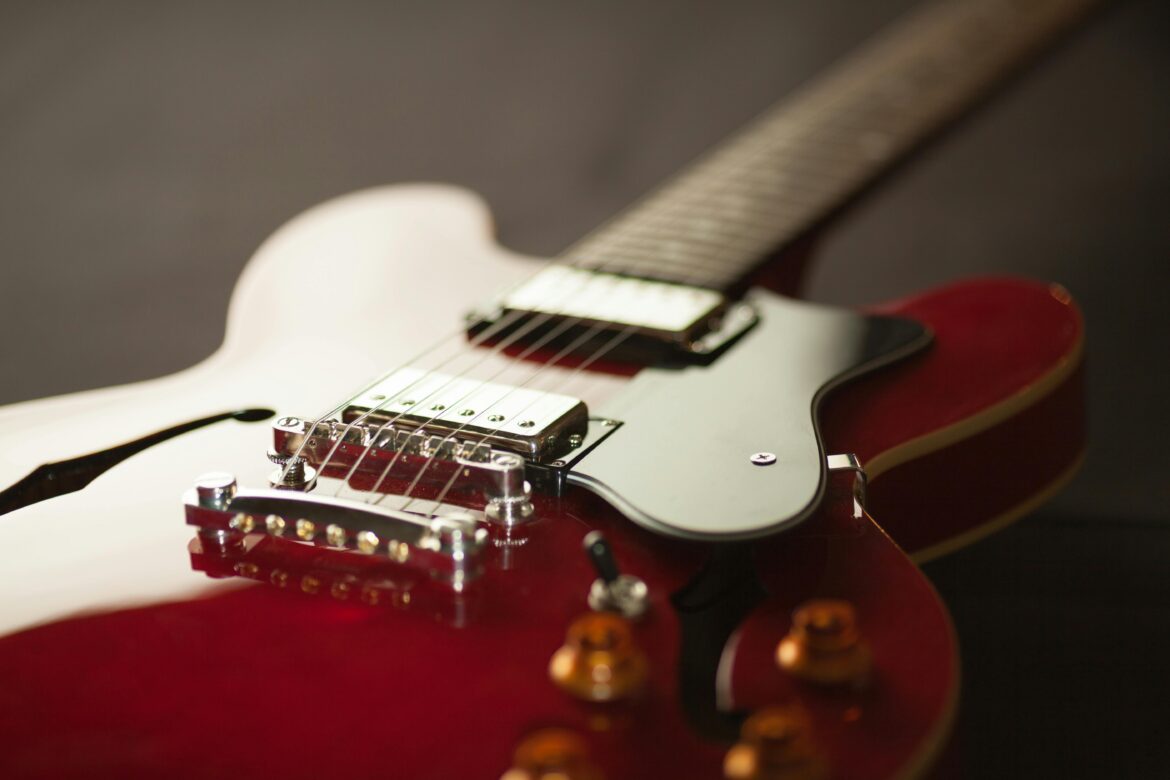
The electric guitar especially when paired with a guitar pedal board isn’t just an instrument—it’s a revolution in sound that transformed music forever. Let’s dive into the fascinating story of how this iconic instrument came to be, tracing its roots from humble beginnings to global musical dominance.
The Early Struggles of Sound
Imagine playing guitar in a crowded big band era, struggling to be heard. That’s exactly the problem musicians faced in the 1930s. Acoustic guitars simply couldn’t compete with the loud brass and percussion sections. Musicians desperately needed a solution that would amplify their sound and let their musical creativity shine.
Birth of an Innovation
The first breakthrough came around 1936 when jazz guitarist Charlie Christian attached a pickup to an acoustic guitar. This groundbreaking moment marked the true birth of the electric guitar. Inventors like Rickenbacker and Beauchamp were pioneers, creating the first commercially viable amplifiable electric guitars specifically designed for big bands.
Key Milestones in Electric Guitar Development
| Year | Milestone | Significance |
| 1932 | First Documented Performance | Gage Brewer performed with an electrically amplified guitar in Kansas |
| 1941 | Les Paul’s Solid-Body Guitar | Created an iconic solid-body design that reduced acoustic feedback |
| 1949 | Fender Esquire | First mass-produced solid-body electric guitar by Leo Fender |
| 1952 | Gibson Enters the Market | Released their own solid-body electric guitar |
Technology Behind the Sound
What makes an electric guitar special? It’s all about the pickup. This ingenious device converts string vibrations into electrical impulses that can be amplified. Most electric guitars use magnetic single or double-coil pickups, creating that signature electric hum we all know and love.
The Cultural Revolution
The 1960s and 70s saw the electric guitar become more than an instrument—it became a cultural icon. Legendary musicians like Jimi Hendrix and Jimmy Page turned the electric guitar into a symbol of rebellion and artistic expression.
Rock and roll embraced its aggressive sound, and the instrument became synonymous with musical innovation.
Democratization of Music
Initially, electric guitars were expensive luxury items. But everything changed in the 1980s when Japanese manufacturers started producing affordable, high-quality instruments. This pushed American companies like Gibson and Fender to create more accessible guitar lines. This wider accessibility also changed how people learned to play, with many new musicians relying on guitar tabs as an easy entry point into mastering songs. At the same time, aspiring musicians interested in other styles often explored different instruments, including learning how to play the blues piano to understand the roots of rock, jazz, and rhythm and blues.
Modern Evolution
Today’s electric guitars continue to evolve. While the basic design remains similar to mid-20th-century models, manufacturers are exploring new technologies. From improved noise reduction to potential touch-sensor innovations, the electric guitar’s journey is far from over.
Fun Fact: Without an amplifier, electric guitars are surprisingly quiet. They rely entirely on electronic amplification to produce their powerful sound
The Enduring Legacy
Despite changing music trends, the electric guitar remains beloved worldwide. Recent market reports suggest guitar sales are actually on the rise, proving that this instrument’s appeal is timeless.
Whether you’re a rock enthusiast, a jazz lover, or just someone who appreciates musical innovation, the electric guitar’s history is a testament to human creativity and the endless pursuit of better sound.Ready to pick up a guitar and make some noise? The stage is yours!